



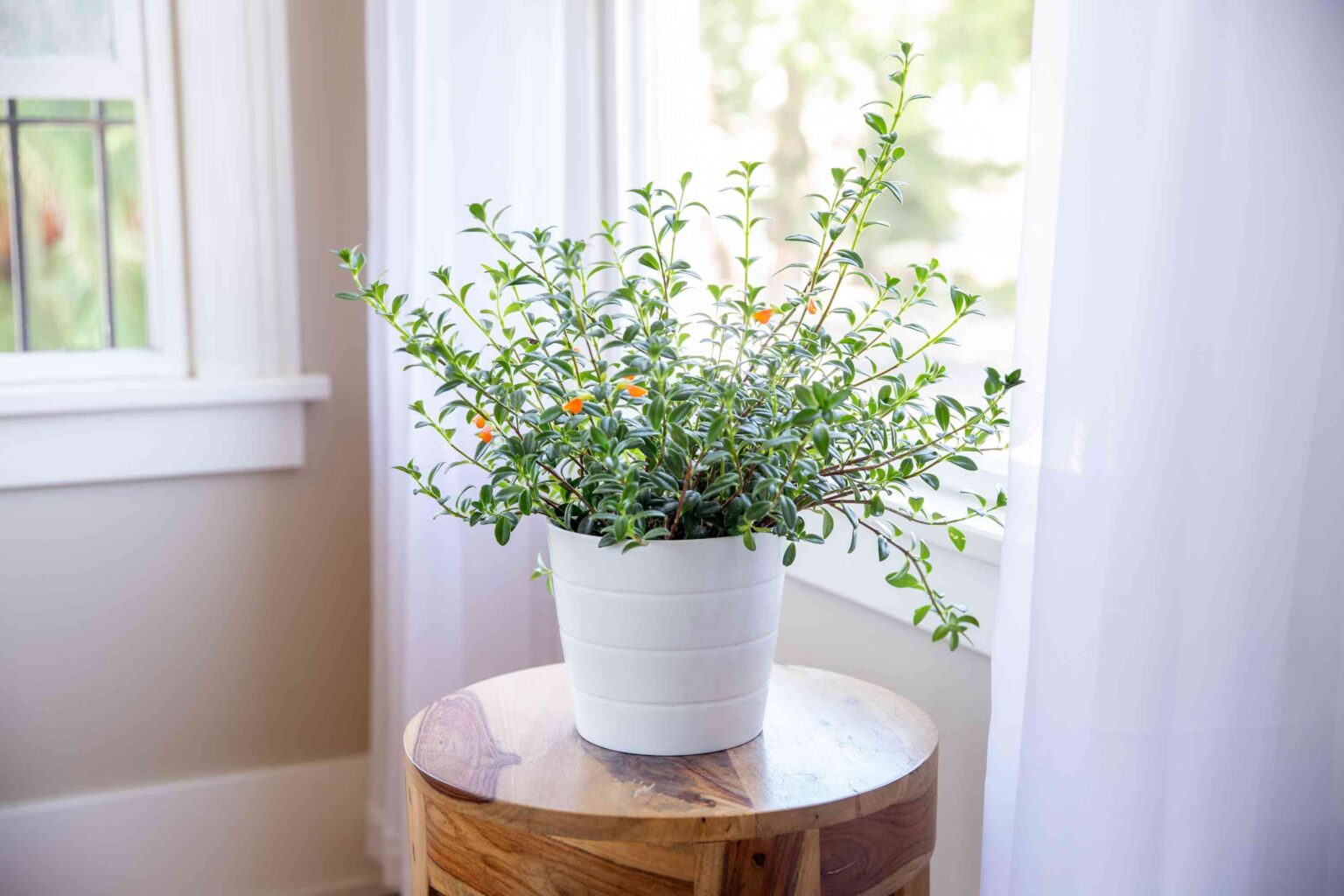
The goldfish plant is a houseplant with masses of red-orange flowers that appear in the spring and summer and look a bit like leaping goldfish. Goldfish plants grow best in humid environments, bright light, well-draining acidic soil, and temperatures between 65 and 75°F. Read on for our care and growing guide.
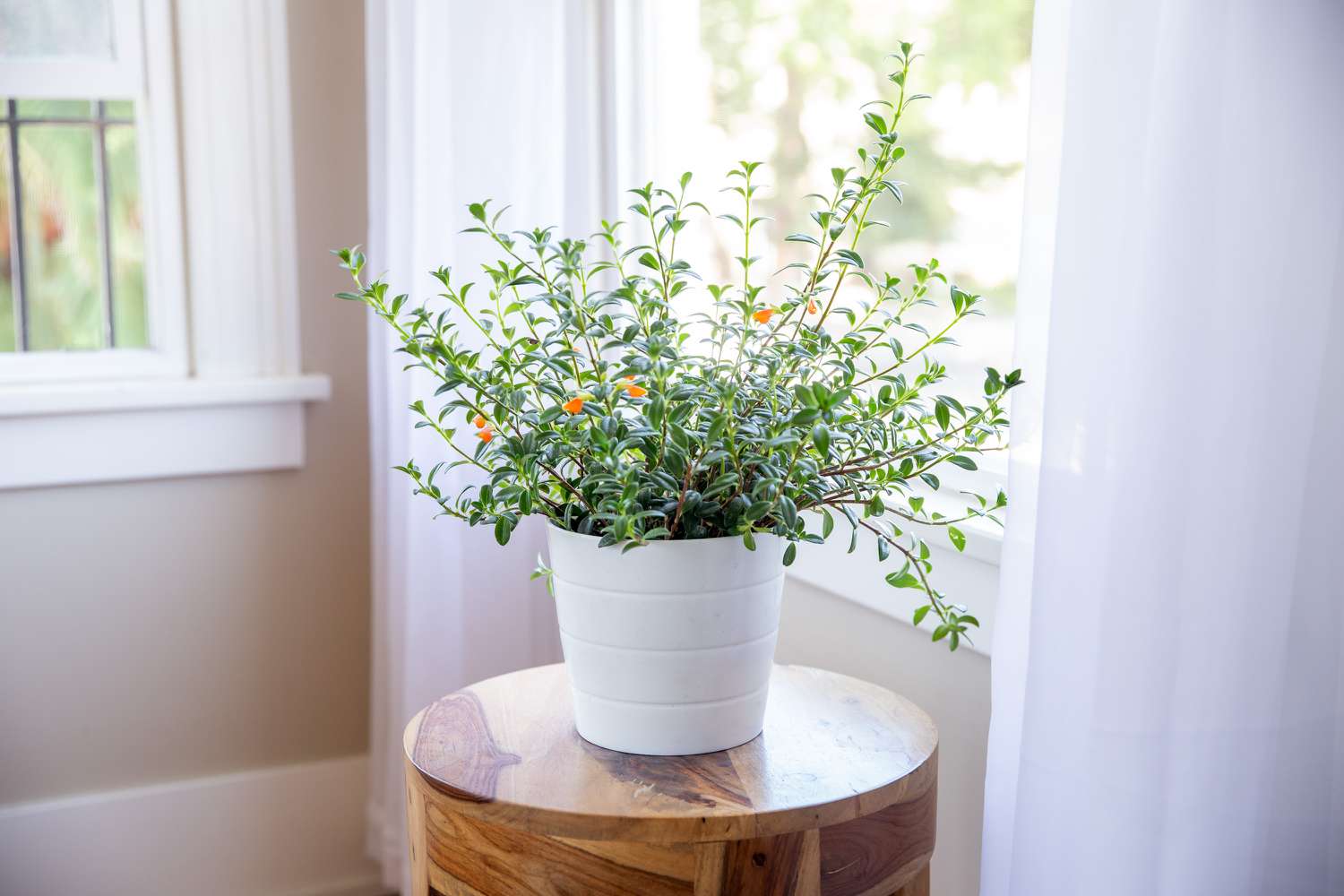
jardineria Profesional / Krystal Slagle
| Common Name | Goldfish plant, clog plant, flying goldfish plant |
| Botanical Name | Columnea, Nematanthus gregarious |
| Family | Gesneriaceae |
| Plant Type | Perennial |
| Mature Size | 2-3 ft. long, 2 ft. wide |
| Sun Exposure | Partial |
| Soil Type | Well-drained |
| Soil pH | Acidic |
| Bloom Time | Spring, summer, fall |
| Flower Color | Red, orange, yellow, pink |
| Hardiness Zones | 10-11 (USDA) |
| Native Areas | Central America, Caribbean |
Goldfish Plant Care
Here are the main care requirements for growing a goldfish plant:
- Put your goldfish plant in a room with bright, but not direct, sunlight
- Use fast-draining, airy potting soil
- Water well in the summer and cut back in the winter
- Offer the plant moderate humidity levels
- Feed weekly in the growing season to encourage blooms
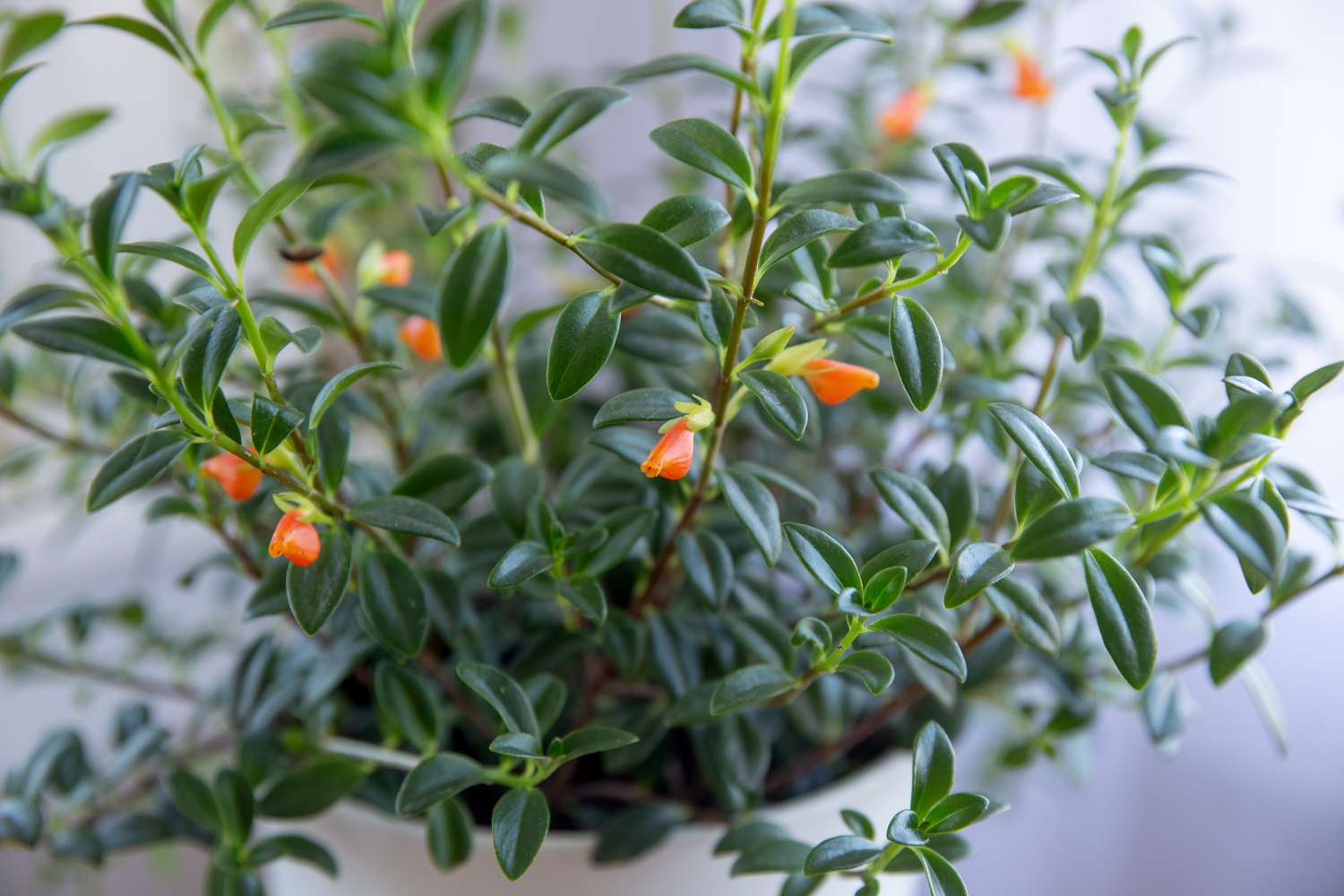
jardineria Profesional / Krystal Slagle
Perfect for Homes With Pets and Kids
The goldfish plant is ideal for households with pets and kids since it’s non-toxic and safe. However, make sure it’s still placed at a distance so no pet can reach its leaves.
Light
Goldfish plants prefer bright light, but they don’t like direct light. These plants also prefer long periods of light, even up to over 10 hours a day; an east-facing window is perfect. They can also successfully be grown under grow lights indoors, especially during the winter.
Soil
A light, fast-draining potting soil, like a succulent mix, is perfect. You can use fortified soils. In the wild, goldfish plants are epiphytes, a type of plant that grows upon other plants. It will usually grow on a tree.
Water
During the summer, water generously and keep the soil continuously moist. In the winter, cut back on the water and allow the soil to become slightly drier. This may encourage better blooming. Be aware that the soil should never dry out completely, though soggy soil causes root rot.
Temperature and Humidity
Goldfish houseplants fare best in room temperatures of 65 to 75°F. They need mild to moderate humidity and can be misted daily with room-temperature water. Do not mist with cold water or it will damage the foliage. In particularly dry environments, a humidifier near the plant is helpful.
Fertilizer
Feed weekly during the growing season with a weak liquid fertilizer that includes micronutrients and encourages blooming. Controlled-release fertilizer pellets are also excellent.
Types of Goldfish Plants
The goldfish plant is divided into two genera: Columnea and Nematanthus, each with cultivars and hybrids. Varieties have red or yellow flowers.
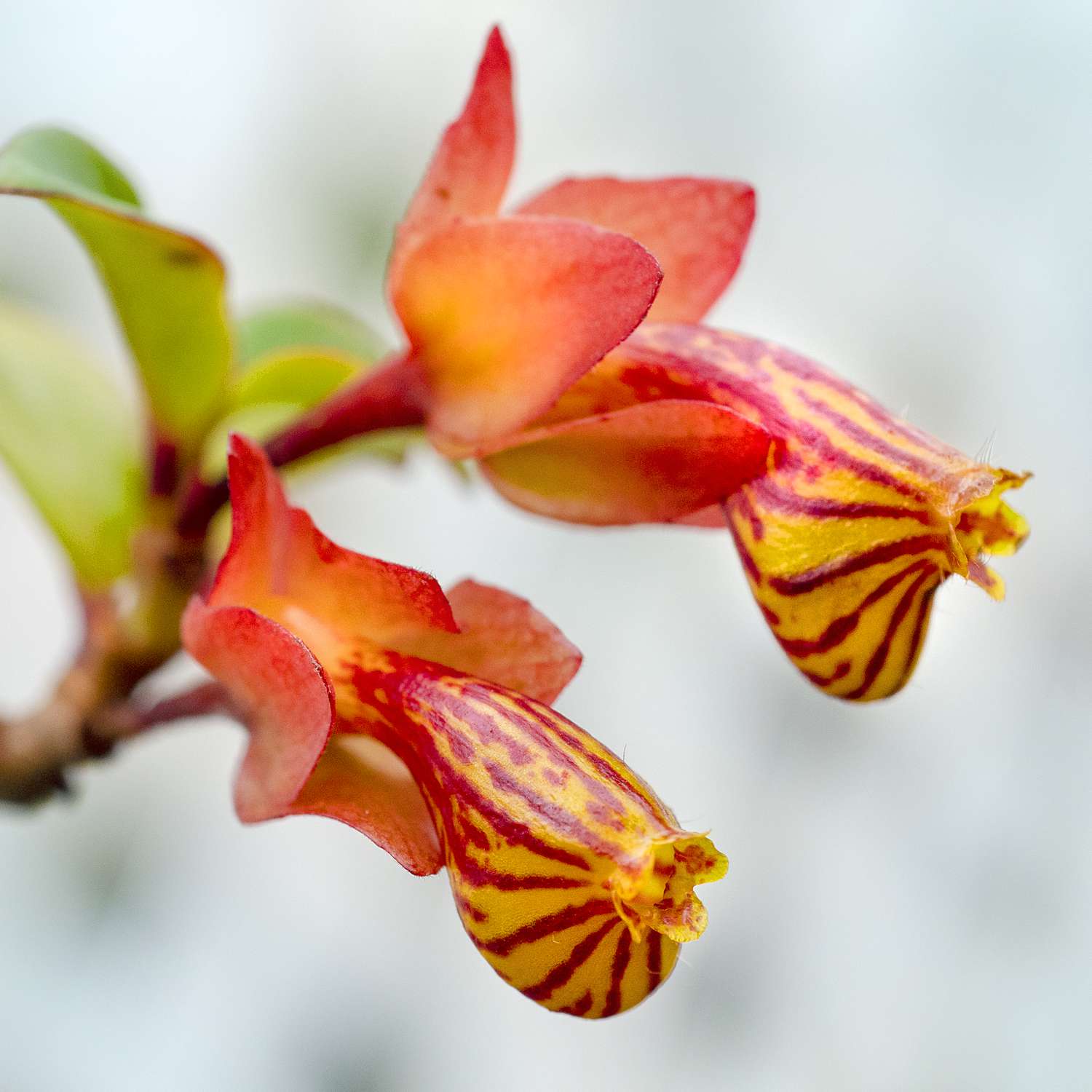
- Nematanthus ‘Tropicana’: This cultivar has flowers with red and orange stripes.
- Nematanthus ‘Green Magic’: This plant offers bright orange flowers.
- Nematanthus ‘Black Gold’: This cultivar has leaves with a glossy red hue along with orange-yellow flowers.
- Columnea ‘Light Prince’: This cultivar has bright orange and yellow blooms.
- Columnea ‘Aladdin’s Lamp’: This cultivar has black foliage and red flowers.
- Columnea ‘Chanticleer’: This goldfish plant has tubular, yellow flowers with red tips.
Tips for Buying In-Store
- Look for a plant that has healthy green leaves, without any signs of yellowing, brown areas, or drooping.
- Check the underside of the pot to make sure roots aren’t poking out of the drainage holes—this is a sign it’s rootbound.
- A healthy goldfish plant should be bushy, with lots of stems and leaves.
- Check for flowers and signs of buds to ensure you’ll continue to get blooms when you bring it home.
- Inspect undersides of leaves and stems for signs of pests, like insects or webbing or egg-like spots.
Pruning
You’ll want to prune your goldfish plant to help it produce more blooms and promote new growth as well as to help it keep its shape. Prune in early spring, just prior to the growing season. In addition to removing dead and yellow leaves, you can also trim back branches that are too long. To prune, cut at an angle just below a node at the end of the stem.
Propagating Goldfish Plant
Growing goldfish plants from seed is discouraged and extremely difficult unless they are grown in their natural habitat. However, goldfish plants are more readily propagated from stem-tip cuttings placed in water and then in soil. Here’s how:
- Pick stems: Choose stem tips that don’t have flower buds on them and are about two to three inches long. Remove the bottom leaves.
- Apply rooting hormone: Dip tips into a rooting hormone to increase the odds of rooting success.
- Set the cutting: Place the cuttings in a glass or jar filled with clean water and set the cuttings in a warm space with some light.
- Care for the cutting: Fill the container weekly with fresh water.
- Keep an eye out: Watch for roots to emerge in two weeks.
- Pot the cuttings: When the cuttings have grown an additional couple of inches, they are ready to be placed in a pot with potting soil.
- Care for the new plant: Place newly planted cuttings in a warm, bright area and keep them humid until new growth emerges. New plants will not flower until the summer after they are propagated.
Potting and Repotting
Like many tropical plants, goldfish plants like to be slightly pot-bound and seem to respond with greater vigor and better shows of flowers. As a result, only repot the plant every two to three years. When you repot, you can gently root-prune the parent plant to encourage new root growth. Use succulent potting mix to give the roots room and air.
Overwintering
Once winter starts, you’ll want to reduce watering your goldfish plant and allow the soil to dry out between waterings. You’ll also want to try to keep the humidity high, so keeping your plant in the bathroom can be helpful for this. This plant cannot be kept outside in freezing temperatures.
Common Pests and Plant Diseases
Watch your goldfish plants for any aphids, spider mites, and mealybugs, as these are common pests on this tropical plant. Use insecticidal soap to control the problem.
The goldfish plant is also prone to mold and fungus growth. As with its cousin, the African violet, avoid watering the goldfish plant’s leaves directly to avoid fungal problems.
Pest to Watch
Spider mites are a common houseplant pest, and can do a lot of damage to your plants if the infestation goes unchecked. Check your plants regularly for signs of spider mites, including webbing on the undersides of the leaves and small spider-like insects or tiny white dots (their eggs). If the leaves on your goldfish plant are turning brown, it could be a sign of spider mites, which you can treat with neem oil or an insecticidal soap.
How to Get Goldfish Plant to Bloom
Bloom Months
Goldfish plants bloom in spring, summer, and fall. These plants will likely go dormant in the winter though they have been known to continue blooming then as well.
What Do Goldfish Plant Flowers Look and Smell Like?
Small tubular flowers look like little leaping goldfish when in bloom. Older, larger stems will cascade down the sides of a pot and form a really beautiful display when they flower, especially in hanging baskets. These quirky little blooms do not have any fragrance.
How to Encourage More Blooms
To encourage bushy growth and better blooming, pinch off the new stems. Feed weekly or every other week with weak fertilizer during its growing season to encourage flowering.
Caring for Goldfish Plant After It Blooms
Simply deadhead wilted flowers when you spot them. This will encourage more growth and blooms.
Common Problems With Goldfish Plant
Goldfish plants are a tad fussy, but the plant’s problems often occur from overwatering. Keep an eye out for these signs.
Leggy Growth
Leggy growth is often caused by overwatering. Leggy growth can also happen if the plant is kept in a space where the humidity is too high.
Browning Leaves or Leaf Drop
These plants are somewhat sensitive to high temperatures and moisture on their leaves, so if you start to see browning or leaf drop, it could be that the temperatures are too high or the leaves are getting wet.
-
Where is the best place to put a goldfish plant?
A goldfish plant is best placed near a window where it received filtered light. Goldfish plant does best in bright, indirect light, so don’t put it in a south-facing windowsill.
-
Do goldfish plants make good hanging plants?
Goldfish plants are great plants for containers and hanging baskets, as they have a vining habit.
-
Should I mist my goldfish plant?
Goldfish plants do not require misting, but because they are a tropical plant, they will benefit from extra moisture.
-
Do goldfish plants like to be crowded?
Goldfish plants do like to be slightly rootbound, but you should not overcrowd them or let them get too rootbound. Repot your goldfish plant if you see roots starting to appear from the bottom of the pot.